KUNA
NURU
LEADERSHIP
ACADEMY
Our Innovative Learning Design and Flagship Initiative
TRAINING ANCHORED IN RELATIONSHIPS, RELEVANCE AND REAL- WORLD PRACTICE
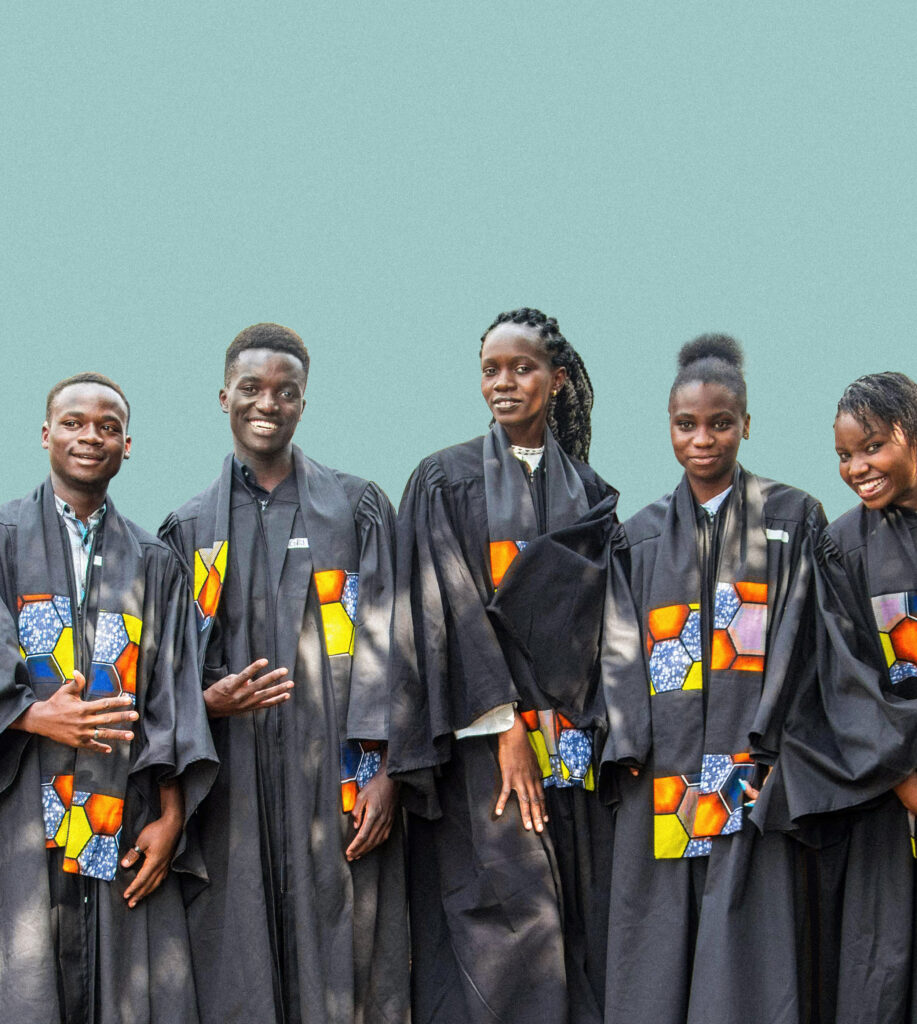
The Kuna Nuru Leadership Academy (KNLA) is carefully designed to cultivate essential beliefs, mindsets, and behaviors through training anchored in relationships, relevance, and real-world practice. The KNLA exists because standardized, culturally-biased assessments fail to recognize the true talent of Kenya’s most marginalized youth. This broken system overlooks immeasurable potential and blocks talented young people from the opportunities they deserve. KNLA offers an alternative pathway—one that recognizes skills, lived experiences, and character, and equips young people with the confidence, credentials, and support needed to thrive in education, work, and leadership.
THE SOLUTION TO BARRIERS HOLDING BACK YOUTH
We partner with ten community-based schools in Nairobi to support 150 Form 4 leavers in each cohort. This support moves beyond the traditional classroom—because for us, Nairobi City is our classroom— empowering young people through:
Leadership Summits
The journey begins here: structured, intensive training designed to inspire and connect youth from marginalized communities. We flip the traditional hierarchy, teaching that leadership is about influence, not position. Through storytelling and interactive models, young people dismantle limiting beliefs and emerge as active change agents.
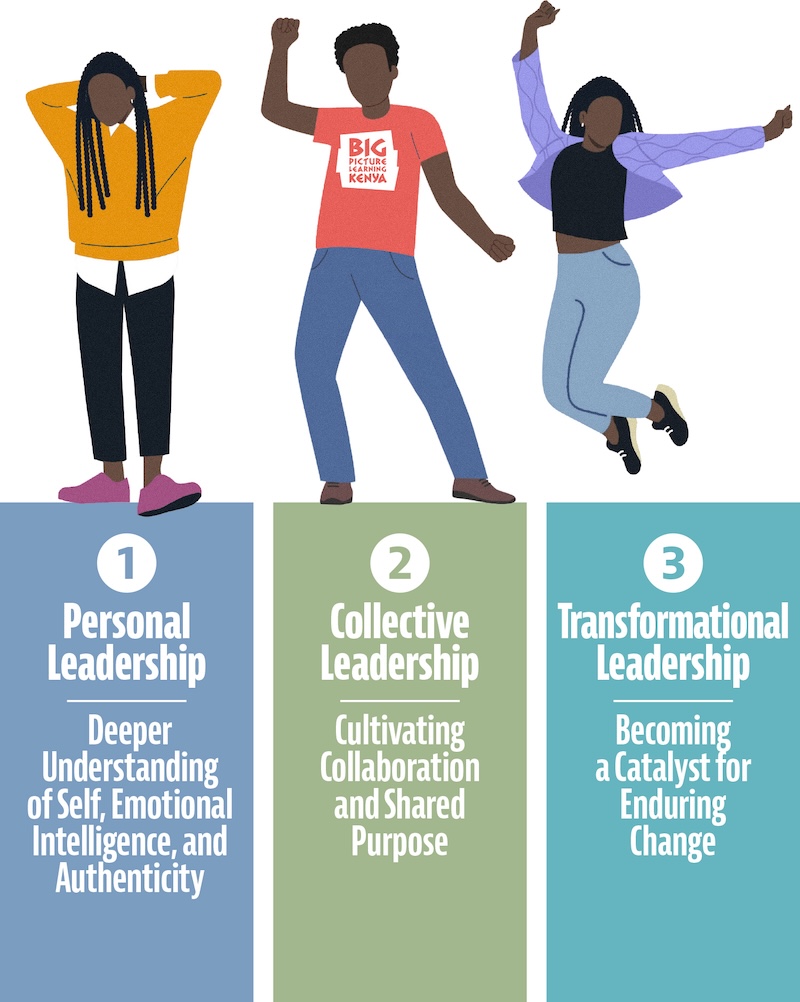
These summits provide a safe space to reflect and create actionable plans across three core pillars:
THE 6-STEP
KNLA JOURNEY:
From Participant to Leader
1/
PERSONALIZED
LEARNING PLANS:
Every young person co-designs a roadmap built around their unique passions and career goals.
2/
THE ADVISORY
(HEART & SOUL):
A core “Community of Practice” that acts as a stable “second family” to foster deep trust and growth.
3/
REAL-WORLD
INTERNSHIPS:
Gaining hands-on professional experience under the guidance of expert mentors.
4/
COMMUNITY
SERVICE PROJECTS:
Designing and leading projects to solve social issues in their high need communities, honing their power to influence change.
5/
PUBLIC EXHIBITIONS:
Presenting a portfolio of learning and impact to advisors, mentors, and peers to validate their growth.
6/
LEADERSHIP SUMMIT:
Structured intensive training designed to inspire and dismantle limiting beliefs in young people.

LEADERSHIP SUMMITS
The Leadership Academy begins with Leadership summits. Leadership Summits are structured, intensive training designed to develop, inspire, and connect young people from marginalized communities in Nairobi. They provide a safe and supportive space for participants to learn, reflect, and create concrete, actionable plans for their personal, educational, and leadership journeys. The summits are designed to develop three core areas:
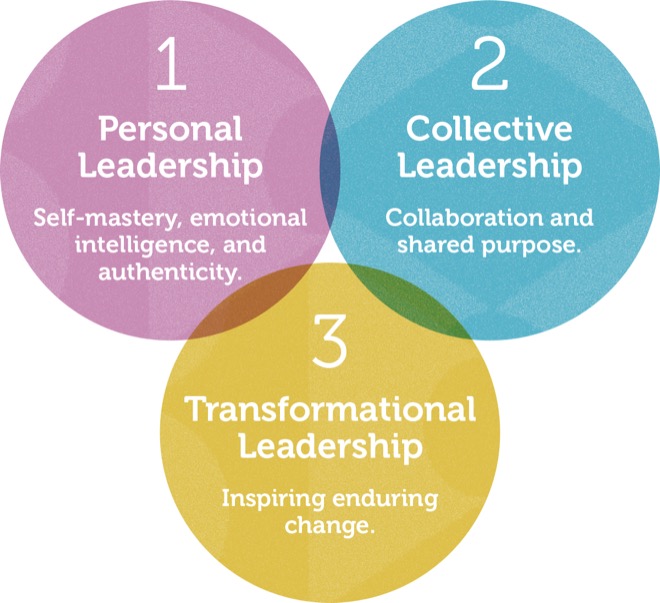
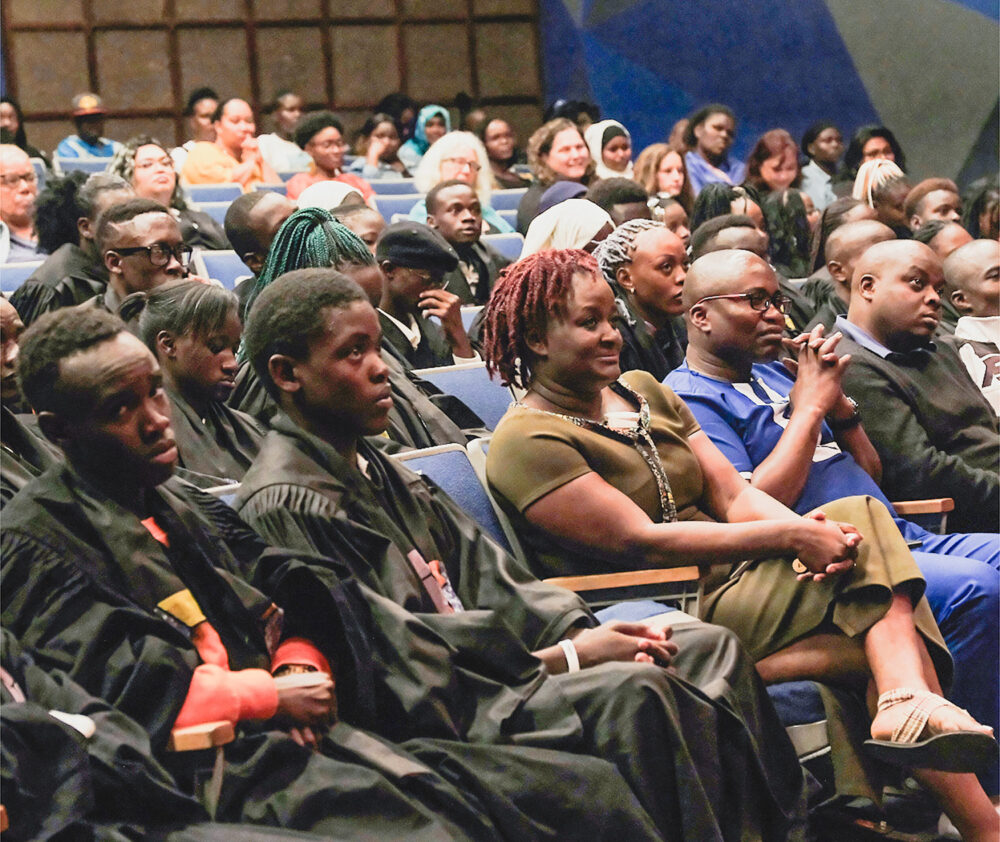
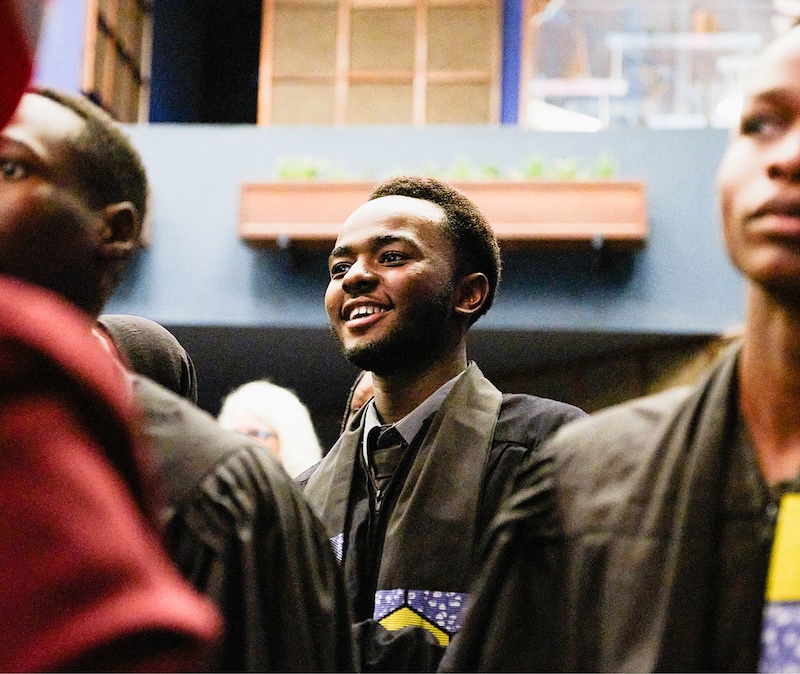
We flip the traditional hierarchy to instill the core belief that leadership is about influence, not position. Through powerful storytelling and highly interactive models, youth challenge limiting beliefs, step into their potential, and emerge as active change agents for their lives and communities.

REAL-WORLD
INTERNSHIPS
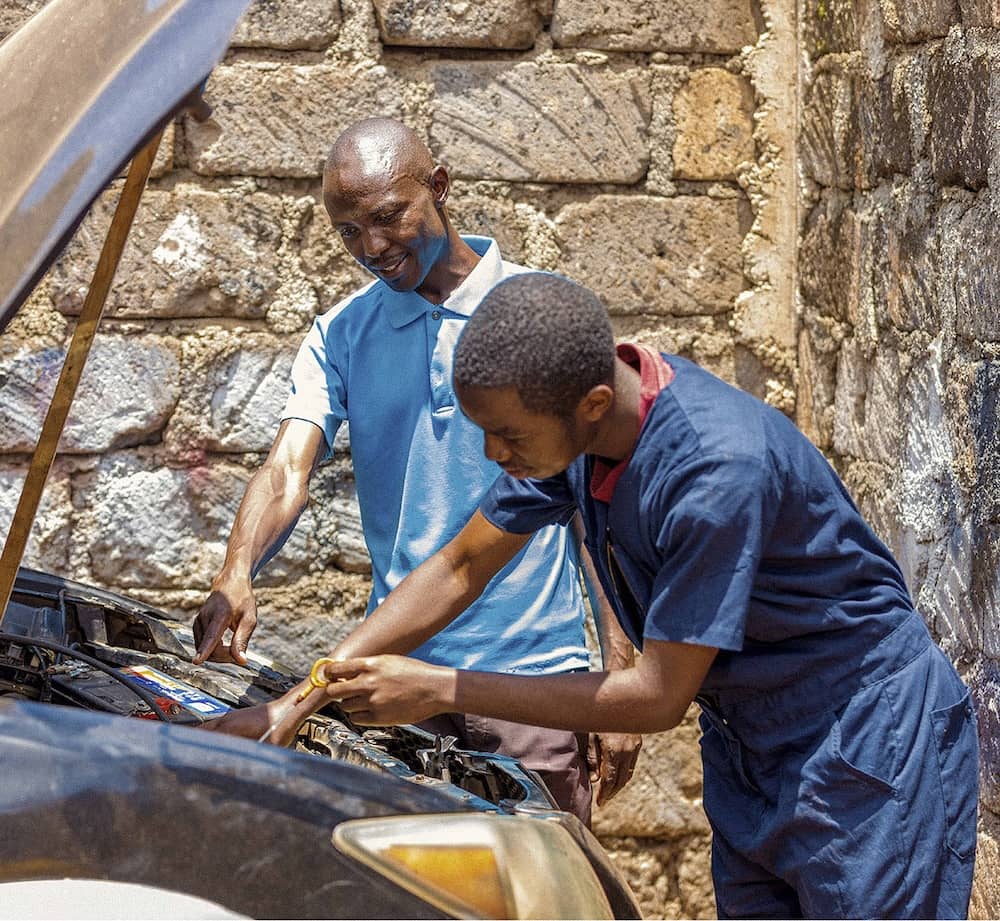
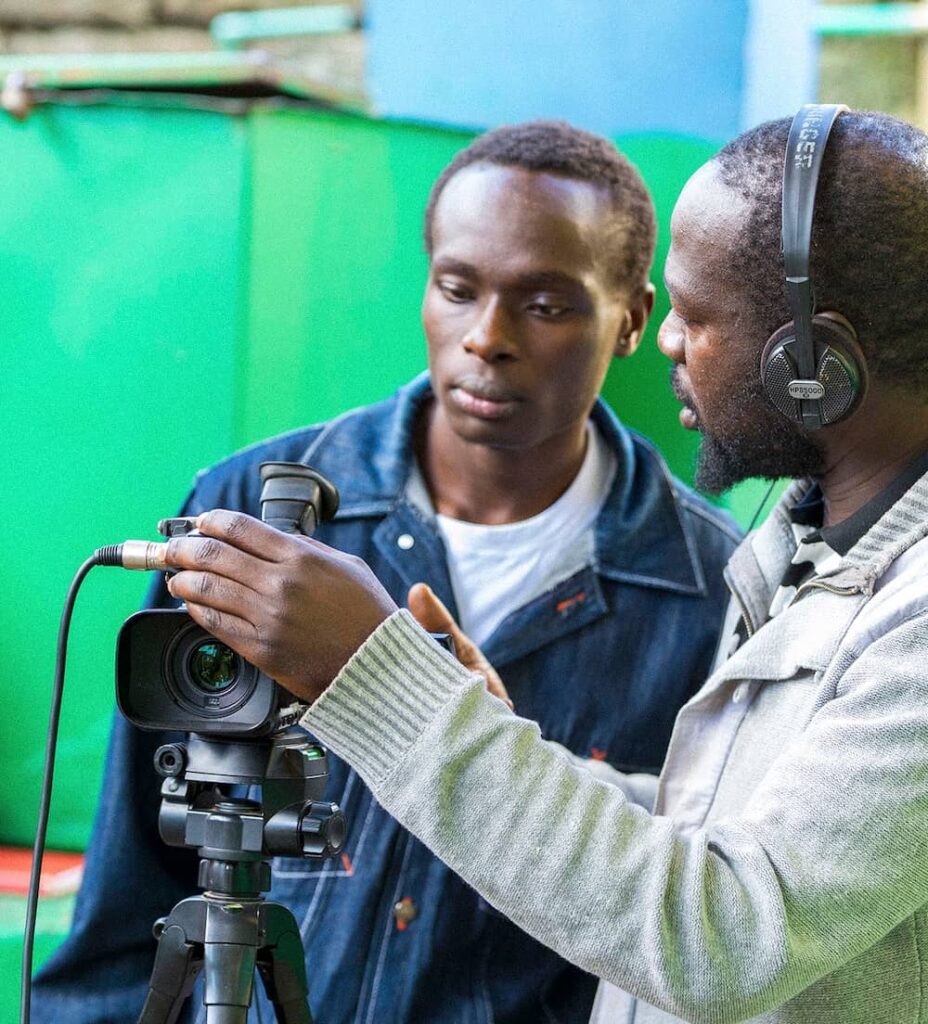
Gaining hands-on experience and professional mentorship. Our approach is rooted in the proven African model of apprenticeship, a system where knowledge transfer was practical, communal, and did not produce academic failures. We aim to overcome the modern challenge of limited social capital, which is the main barrier for youth furthest from opportunity, by confirming that who you know is much more important than what you know.
Through mandatory, real-world apprenticeships (internships), our learners are embedded into professional environments. This process provides not only practical skills but also the necessary social capital— the networks and mentorships—that directly translate to a dignified pathway toward long-term employment. Young people regularly learn on internships with an expert mentor in the community to try out interests, get skills and build networks.

PROJECT BASED
LEARNING
Building tangible skills by solving real-world challenges. We continue shifting the focus from hierarchy to influence to build foundational self-efficacy in youth. This belief that they can lead and effect change is immediately put into practice through the Big Picture Learning student projects.
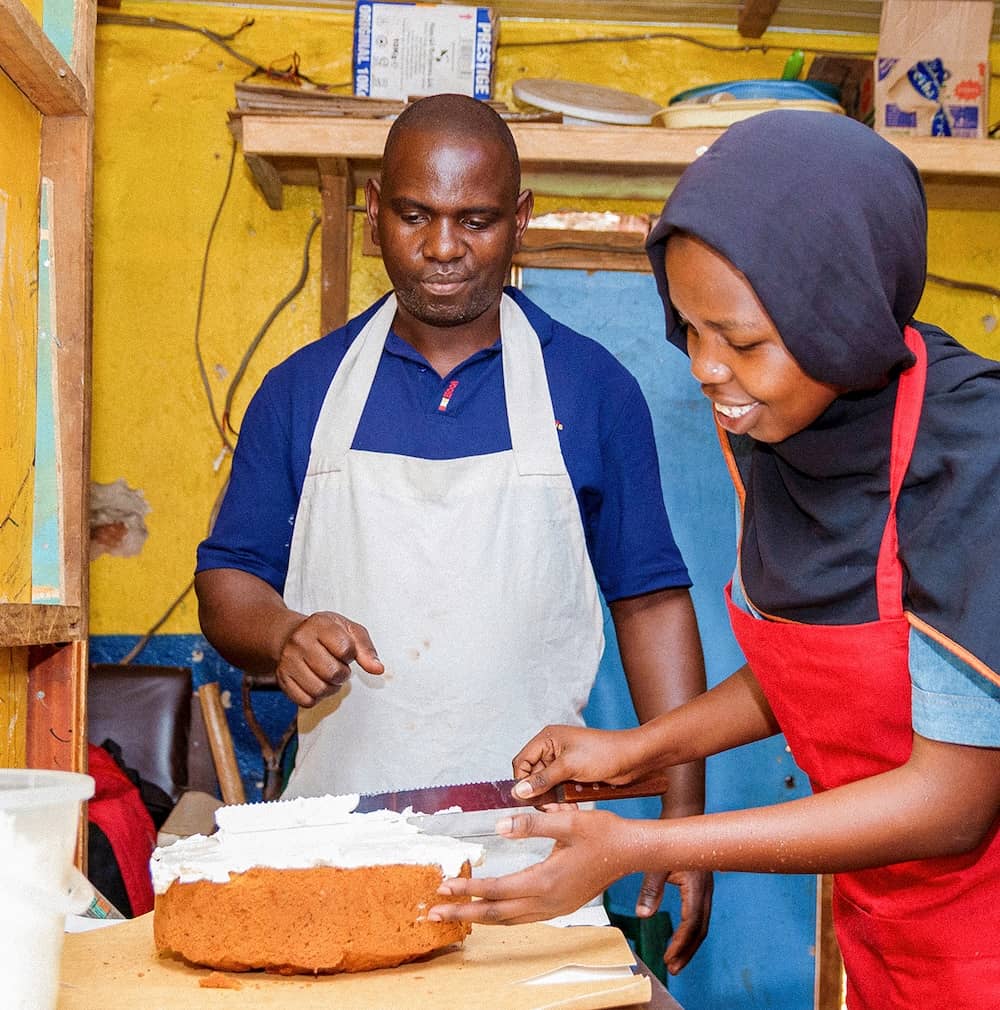
Big Picture Learning projects are student-centered, personalized, and passion-driven, acting as a direct application of leadership principles. They move learning beyond the classroom by integrating real-world experiences like internships and community action projects. In our experience, the competencies young people develop in projects and ‘actual’ (outside the classroom) work prepare them for success in competency-based models of education (being very slowly introduced in Kenya) as well as the modern jobsite.
Young people who are supported to pursue complex and challenging projects in real-life settings outside the classroom gain real world competencies, leading to self-reliance, maturity, experience, and a sense of place in the greater global community and passion-driven work rekindles the innate fires of curiosity which have historically driven all human endeavor.

PERSONALIZED ADVISORIES
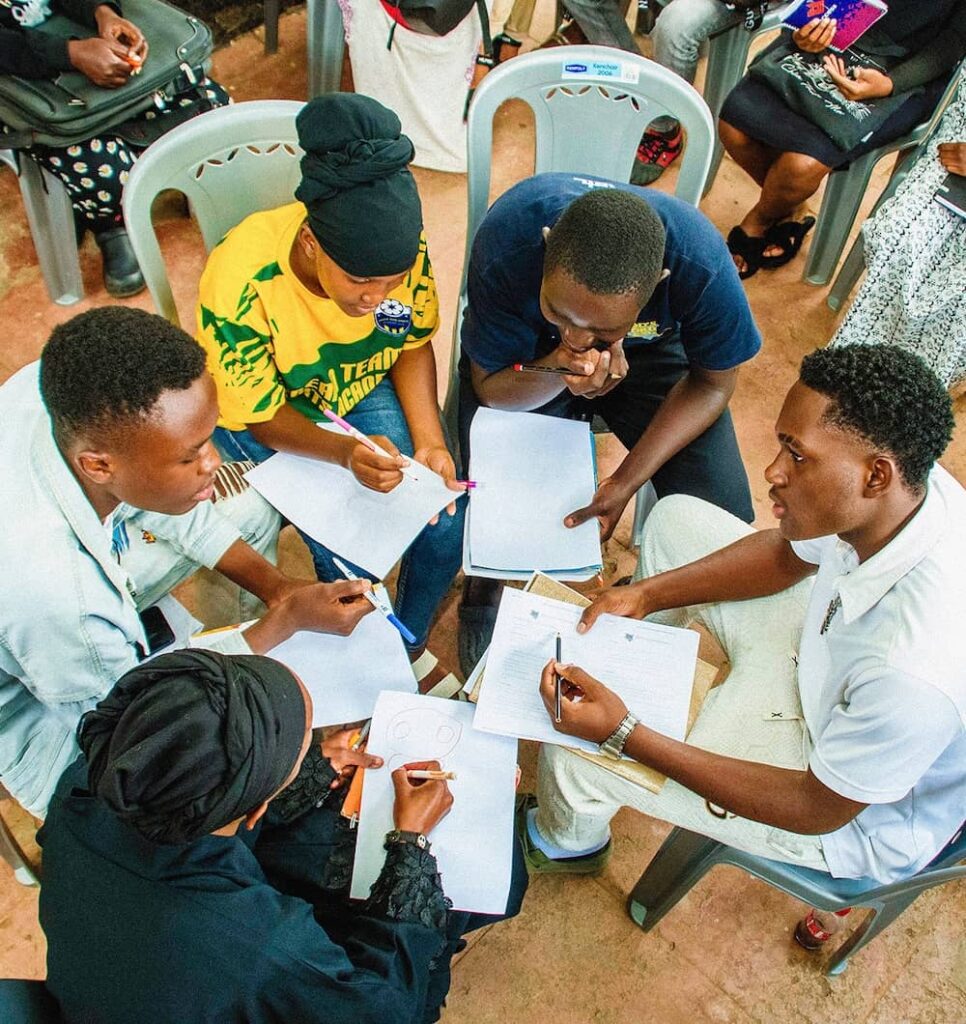
Our in-person training summits feature the Advisory program, a critical component where youth meet weekly for guided and spontaneous activities. Young people learn in small groups of 17 known as an **‘advisory’** where there is a culture of belonging, support and respect. These sessions are specifically designed to cultivate a safe, supportive, and family-like group dynamic. Within this structure, learners explore their interests, community, aspirations, and challenges, developing strong, enduring relationships with themselves and their BPL Kenya advisors.
A distinctive feature is our home-based Advisory model. By hosting sessions in student homes, we actively welcome families to observe our methodology firsthand and, in many cases, participate directly, ensuring parents are fully integrated into their child’s leadership journey.

PERSONALIZED
LEARNING PLANS
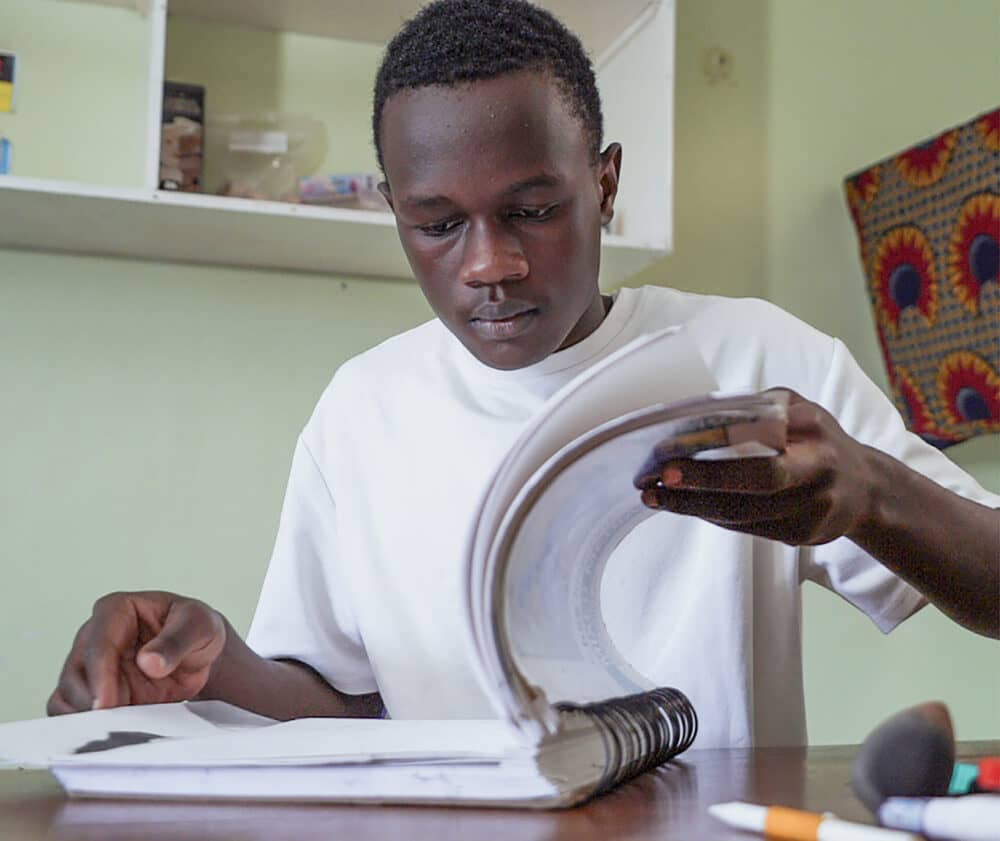
This is where true learning begins. We recognize that people do their best work when it is deeply meaningful to them. Therefore, the curriculum for every single student starts with a Personalized Learning Plan (PLP). This plan is not a standardized checklist; it’s a dynamic map crafted entirely around their existing interests, passions, and stated career goals. By anchoring the learning journey in what they care about, we ensure high engagement while systematically developing skills aligned with the Six Big Picture Learning Goals.

EXHIBITION
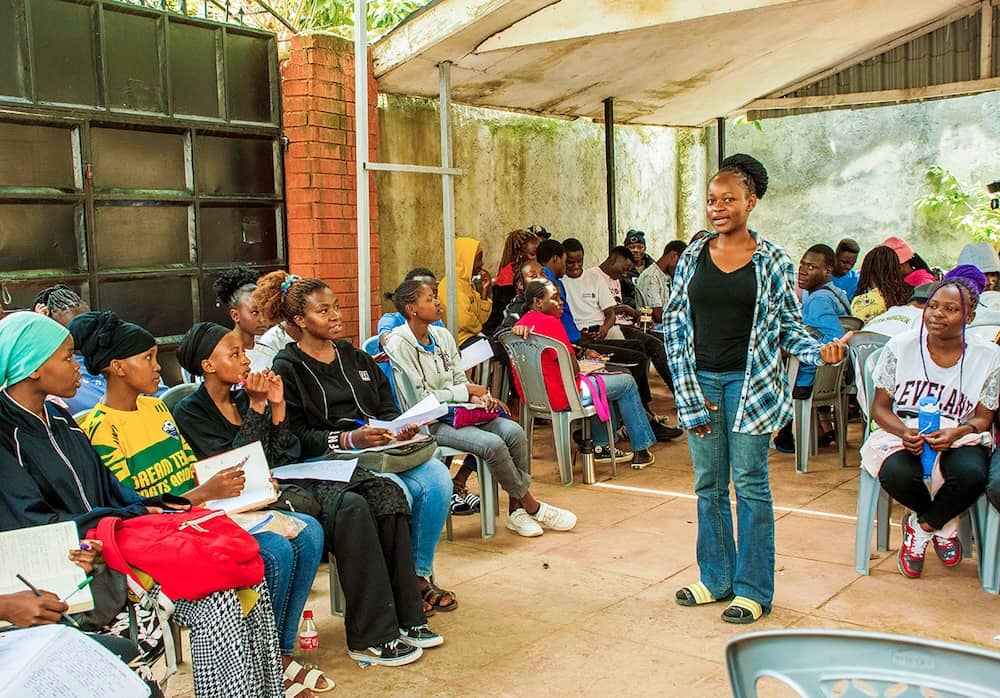
Assessment at KNLA is grounded in demonstration, not traditional testing. Learners continuously document their progress and collect artifacts in a learning portfolio. The formal evaluation of this portfolio occurs through regular public exhibitions where they present, defend, and reflect on their work to mentors, peers, and the wider community. This public defense serves as the ultimate measure of mastery throughout the program.
THE INTERNATIONAL
BIG PICTURE LEARNING CREDENTIAL (IBPLC)
The International Big Picture Learning Credential (IBPLC) is our solution for educational equity. This education passport is rooted in 30 years of Big Picture Learning’s authentic assessment model in the USA, providing a rigorous, culturally-appropriate way to evaluate young people as individuals, not just numbers.
The IBPLC is critical for BPL Kenya because our capable youth are so often excluded by standardized test scores. We are launching this breakthrough credential in partnership with our sister organization, Big Picture Learning Australia (BPLA), leveraging their successful pilot with the University of Melbourne. This collaboration ensures we adopt a proven, universally applicable framework to finally grant our marginalized young people the access and equity they deserve.
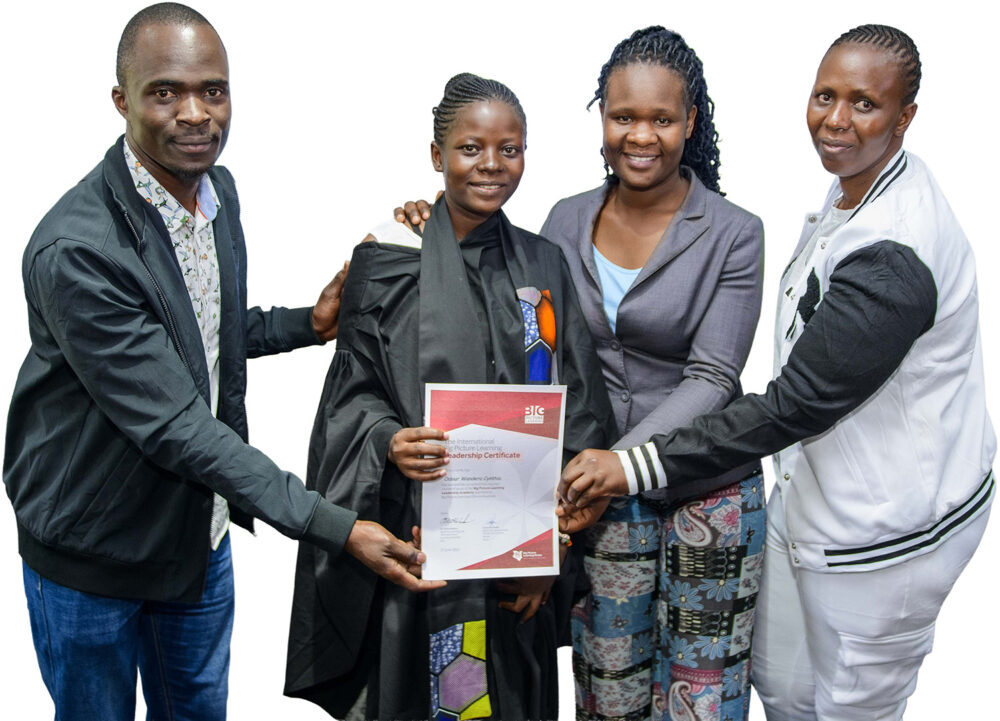
The model is already working: More than 30 young people have secured their credentials through KNLA to date, powerfully validating the potential of this new assessment system.
Key Characteristics / How it Works